Live Streaming Monetization
5 Steps to Make Paid Content Promotion Feel Shareable
If your paid content is good but the promo keeps getting ignored, the problem usually is not the idea — it is the packaging. Viral-feeling promotion is rarely random. It is usually clear, specific, easy to repeat, and easy to share.
This guide is for creators, producers, coaches, performers, and event teams selling paid video, premium recordings, or live PPV access. The goal is not to chase empty hype. The goal is to create promotional material that makes people want to click, buy, and pass it along.
1. Lead with one sharp promise
Your promo should answer one question immediately: what does the viewer get that they cannot get for free? If the answer takes more than one sentence, the concept is too broad.
Write one promise that combines the format and the payoff. For example:
- Live class: “Watch the full live workshop and get the replay afterward.”
- Premium video: “Unlock the full edit, bonus chapter, and behind-the-scenes breakdown.”
- PPV event: “See the one-night performance live, with replay access for ticket holders.”
The strongest paid-content promos do not try to explain everything. They make one outcome feel irresistible. That clarity is also easier to repeat in email, social posts, partner shares, and your checkout page.
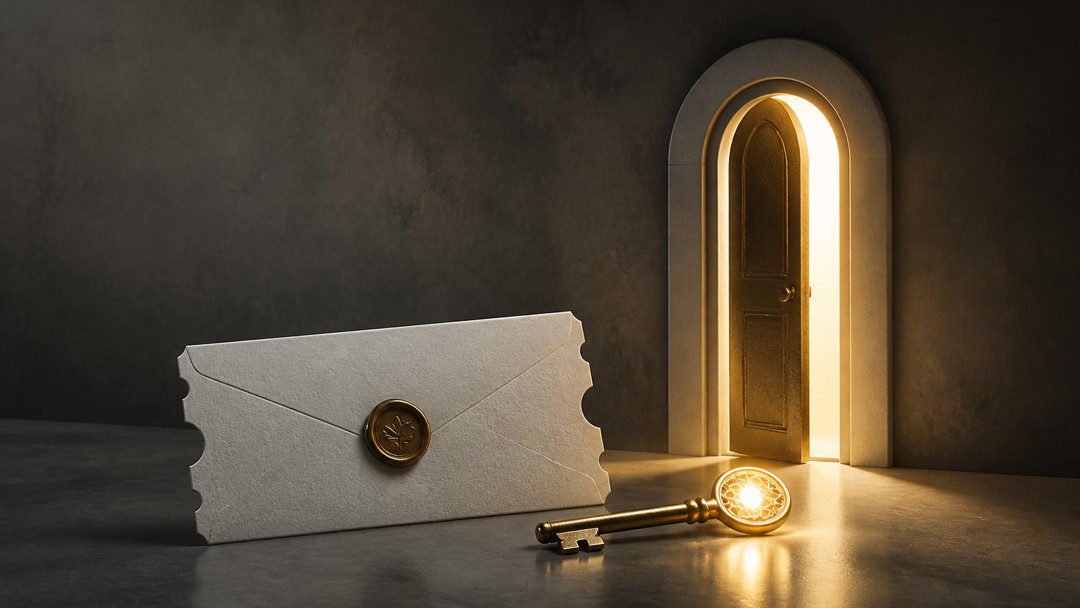
2. Turn the value into a visual metaphor
People share what they understand instantly. That is why the best promo art often uses a simple visual metaphor instead of a crowded collage. Pick one image that stands for the promise of your paid content.
Examples:
- A sealed envelope for exclusive access.
- A lit stage spotlight for live-only moments.
- A locked door with a visible key for premium access.
- A ticket stub beside a replay screen for live-plus-replay value.
A strong metaphor helps the viewer “get it” before they read the caption. For paid content, that matters because the audience is not just reacting to an image — they are deciding whether the access is worth paying for.
3. Build a teaser that proves the payoff without giving it away
Viral promotional material usually gives just enough proof to reduce doubt. It should not feel like a full substitute for the paid experience.
Use a preview that shows the quality, tone, or transformation, but stop short of the main reveal. A good teaser might include:
- A 10-second highlight from the strongest moment.
- A close-up of the production detail that makes the experience feel premium.
- A before-and-after example if your content teaches a result.
- A short quote card or title card with the key promise.
For paid video or live PPV, this is the sweet spot: enough proof to build trust, not enough to remove the reason to buy. If the teaser answers every question, you may have made content for free that should have been paid.
4. Make the share path obvious
People share promos when they know exactly what to say about them. That means your material should include a simple hook, a clear CTA, and a reason to care now.
Try this formula:
- Hook: the most interesting part of the offer.
- Reason: why this matters to the viewer.
- Action: where to buy or register.
Keep the copy short enough that a partner, fan, or collaborator can repost it without rewriting it. If you want the post to spread, make it easy to copy and paste.
That is where tools like promo codes help. A partner-specific code gives people a reason to share and gives you a clean way to track which promotion actually worked. PremStream supports promo codes, paid live streams, prerecorded content, premium video, and customer purchase information, so you can connect the promo to the sale instead of guessing what drove interest. Explore PremStream features and start onboarding.
5. Design for the moment of decision, not just the first click
Many promo campaigns focus only on attention. But paid content usually converts when the buyer feels safe and certain. Your material should reduce friction at the exact moment someone is ready to act.
That means your promo should quietly answer:
- What is included?
- Is this live, replayable, or both?
- How long will access last?
- What happens after purchase?
If your audience has to hunt for that information, you lose momentum. A clean message, a clear price path, and a visible access promise can do more for sales than a louder graphic ever will.
PremStream is especially useful here because it supports a simple paid viewing flow for live streams, replays, and premium video, plus major streaming software compatibility and customer data access. That makes it easier to keep the promo, the checkout, and the viewing experience aligned from the start. ([premstream.com](https://www.premstream.com/Onboarding/Features?utm_source=openai))
A practical formula you can reuse
If you want a fast creative template, use this structure for your next promo:
- Headline: one clear payoff.
- Visual: one symbolic image that signals access or exclusivity.
- Teaser: one proof point, not the whole product.
- CTA: one action, one link, one purchase path.
That combination is simple enough to share, specific enough to convert, and flexible enough to work for live events, PPV drops, or premium content launches.
If you are building your next paid release, start with the offer first, then shape the promotional material around it. A clear promise is more shareable than a flashy one — and it is usually better at selling too.