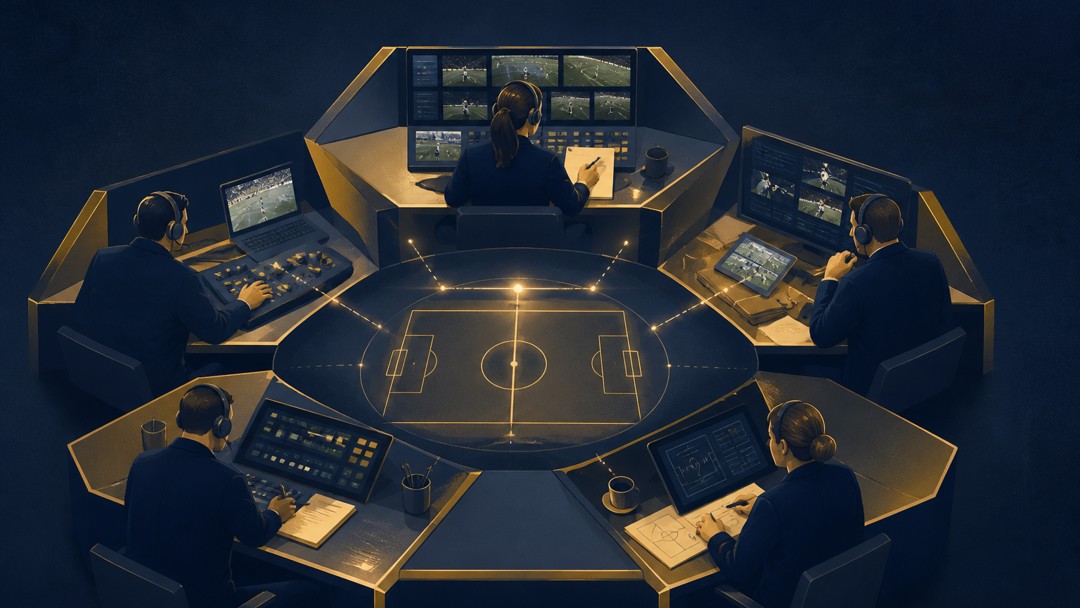
Live Sports Production
5 Live Sports Production Roles You Should Never Leave Empty
In a live sports stream, the most expensive mistake is often not a bad camera angle — it’s an unmanned role. When one person is expected to cover two or three jobs at once, the show may still go live, but it will feel thinner, riskier, and harder to recover if something goes wrong.
This top 5 list focuses on the roles that matter most for independent sports organizers, club teams, and regional event producers who want a cleaner broadcast for paid access, PPV tickets, or a premium subscriber feed. The order below follows the flow of a typical live sports production: story, switching, sound, replays, and stream delivery.
1. Producer / Show Caller
The producer is the person who keeps the broadcast organized before the first whistle and steady after the pressure starts. In a sports stream, that means locking the rundown, confirming game-day timing, deciding what gets shown, and making sure the crew knows what happens next.
If this seat is empty, the production tends to drift. Announcements run long, sponsor reads get missed, halftime content feels improvised, and nobody is protecting the viewer experience. For a paid stream, that can translate into a broadcast that feels amateur even when the game itself is strong.
A good producer also protects monetization. They decide where promo codes are mentioned, when a membership offer appears, and how to position a premium replay or on-demand archive without interrupting the action.
2. Technical Director / Vision Mixer
The technical director is the person who turns the director’s decisions into the actual live program. They cut cameras, route graphics, trigger pre-rolls, and keep the visual pace moving. In smaller productions, people sometimes combine this with another job, but it should never be ignored.
Why it matters: sports is a timing sport. A great goal, turnover, or finish loses impact if the cut arrives late. A skilled TD helps the stream feel intentional, not accidental.
This role is especially important when you sell live sports access because the viewer’s first impression is built on rhythm. Clean cuts, fast transitions, and confident execution make a stream feel worth paying for.
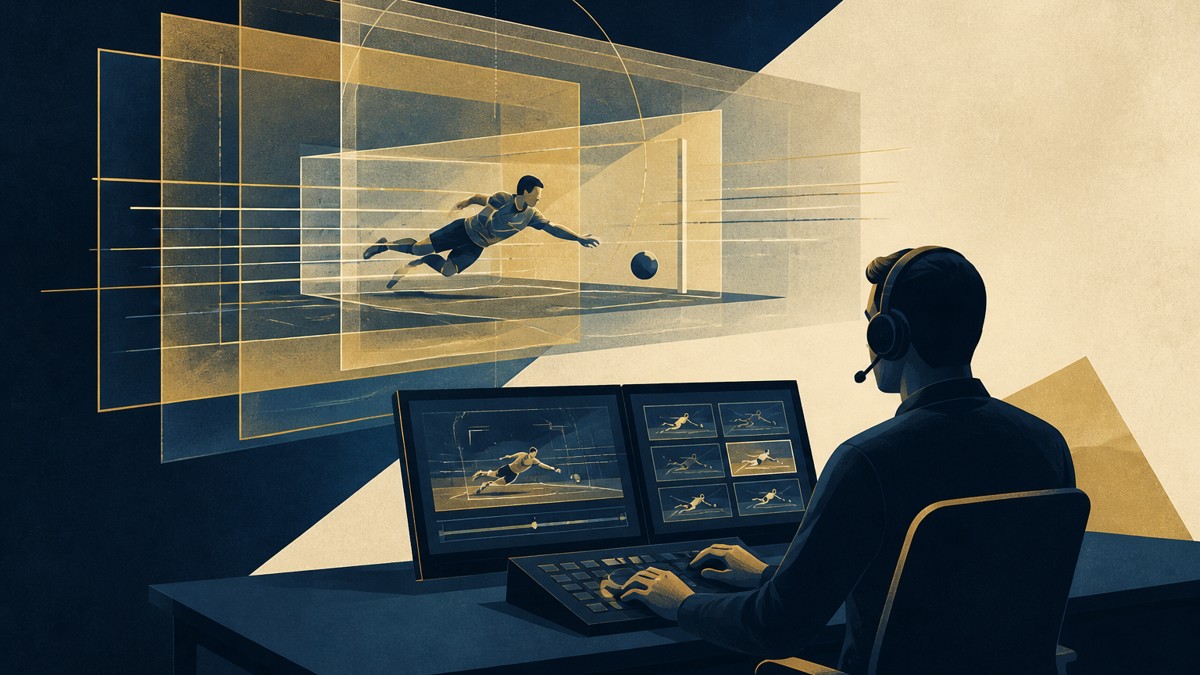
Practical rule: if your event has multiple cameras, graphics, or replay, assign a dedicated TD rather than asking the producer to “just switch too.”
3. Audio Engineer
Audio is often the first thing viewers notice when it fails. Crowd noise is too loud, the announcer sounds hollow, the whistle clips, or the commentary disappears under the arena PA. In live sports, audio is not background support — it is the emotional layer that makes the game feel real.
An unmanned audio position leads to problems that are hard to fix later. You can salvage a shaky shot; bad sound is much harder to forgive, especially for paying viewers on mobile devices or smart TVs.
The audio engineer should be listening for:
- clean announcer levels;
- balanced crowd and venue sound;
- microphone dropouts or wireless interference;
- consistent program mix levels during fast transitions;
- separate needs for in-house sound and stream sound, if applicable.
If you only have budget for one “extra” specialist beyond camera ops, make it audio. A stream with average visuals but great sound usually performs better than the reverse.
4. Replay Operator
Replay is where sports streaming becomes sports broadcasting. It helps viewers understand key moments, supports commentary, and gives the production a professional signature. Without a replay operator, you miss the chance to turn live action into a story the audience can follow.
This role is easy to underestimate because the action is happening in real time. But in sports, the replay operator is often the person who rescues the broadcast from confusion: Was it a foul? Did the ball cross the line? What led to the injury timeout? Those moments are the ones viewers talk about, share, and remember.
For premium content, replay can also extend the value of the stream after the final whistle. Clean clips can feed highlights, postgame recaps, or premium VOD packages that add value beyond the live ticket.
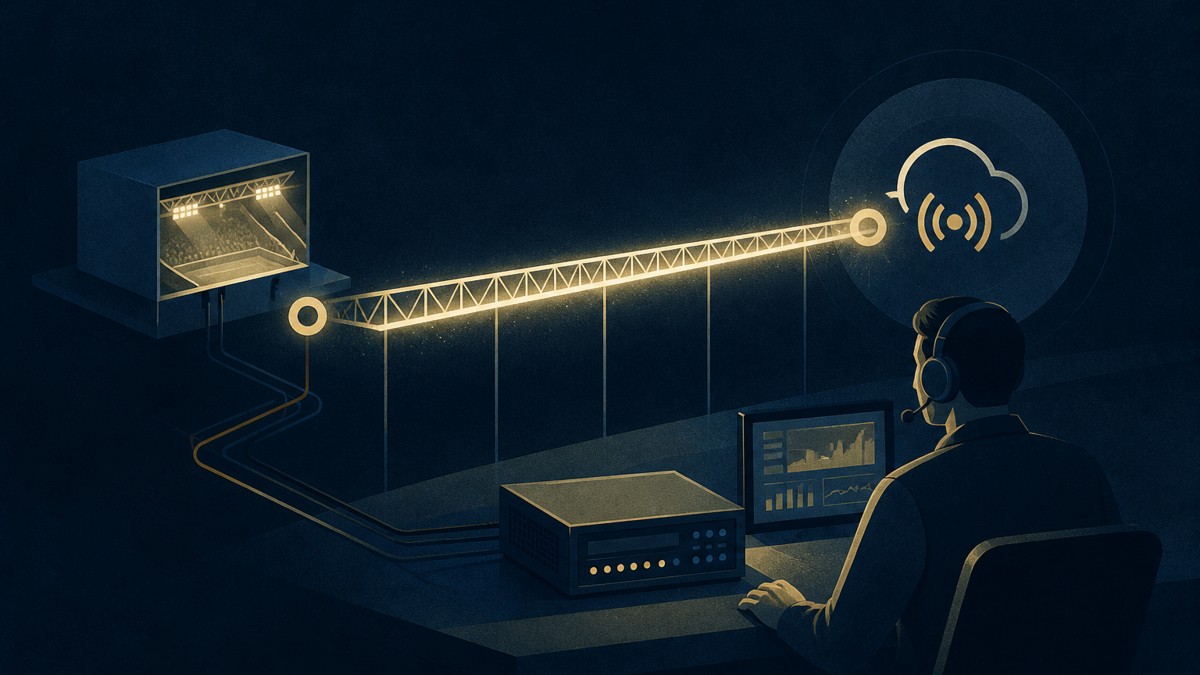
Best practice: if you plan to sell replay-heavy packages, assign someone who understands the sport well enough to anticipate the moment before it peaks.
5. Stream / Broadcast Engineer
This is the role that quietly protects the entire business side of the production. The stream engineer makes sure the program reaches the platform reliably, with the correct bitrate, correct audio, and a stable connection from start to finish.
When this seat is empty, a production can look great in the venue and still fail online. That is the worst possible outcome for PPV, sponsor-backed streams, or membership content because the audience may never see the quality you worked so hard to create.
The stream engineer should be watching for encoder health, platform status, backup paths, and any issues that could interrupt delivery. If your crew is small, this person may also handle stream monitoring, but they should not be distracted by camera switching or show calling during critical moments.
PremStream supports selling access to live streams, prerecorded content, and premium video, so your delivery workflow should be built around reliable output as much as strong production values. If you’re organizing your first paid sports stream or tightening an existing workflow, it’s worth reviewing the platform options and onboarding path here: explore PremStream features and start onboarding.
A simple staffing test before game day
Before you lock the crew, ask one question for each role: “If this person disappeared ten minutes before opening whistle, who would notice first?” If the answer is “everyone,” that role needs a dedicated owner.
For smaller productions, one person can sometimes cover more than one position — but only if the workload is realistic and the show is simple. A two-camera community game with no replay and a single audio source can be lean. A multi-camera sports stream with sponsor reads, halftime content, and paid access should not be staffed like a casual recording.
Think in terms of risk, not headcount. The right five people usually protect the broadcast better than eight people with overlapping responsibilities and no clear ownership.
Bottom line
If you want your live sports production to feel worth paying for, do not leave producer, technical director, audio engineer, replay operator, or stream engineer unmanned. Those five roles protect timing, clarity, and delivery — the three things viewers notice most when the game goes live.
Start by assigning clear ownership, then build the rest of the crew around the show’s complexity. That one step will do more for stream quality than most last-minute equipment upgrades.